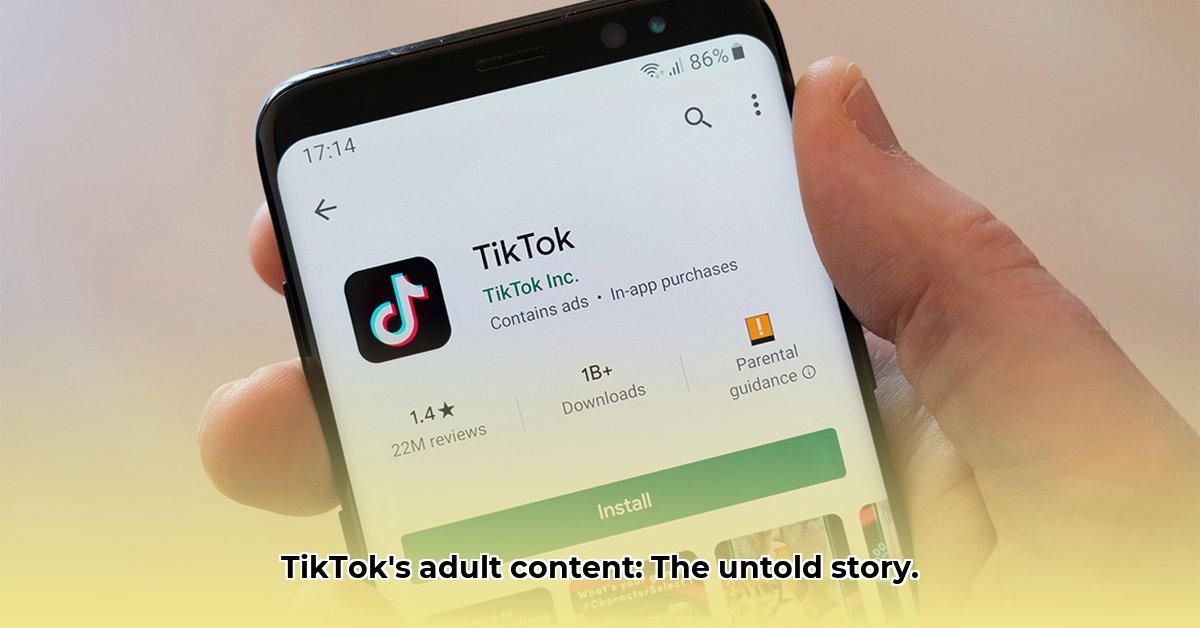
TikTok's explosive growth presents a significant challenge: balancing freedom of expression with the safety and well-being of its massive user base, particularly minors. This article examines TikTok's strategies for moderating adult content, analyzing their effectiveness and exploring potential improvements. We'll delve into the technical hurdles of content moderation, the human element of decision-making, and the crucial role of users and parents in fostering a safer online environment.
The Tightrope Walk: Balancing Free Speech and User Safety
TikTok's popularity means it hosts a vast range of content, from lighthearted dances to mature themes. This diversity presents a complex moderation challenge. The platform relies on a combination of automated systems and human review to identify and remove inappropriate material. However, maintaining a consistent and fair approach is a constant struggle, prompting ongoing debate among experts about the ideal balance between free expression and safety. How effectively does TikTok navigate this complex landscape? Are current strategies sufficient to protect underage users from harmful content?
Age Verification: A Critical Hurdle
One of TikTok's biggest obstacles is accurate age verification. The reliance on self-reported age at signup is easily circumvented by underage users, leading to exposure to content intended for adults. While TikTok has implemented some age-gated features, such as age-restricted live streams, the effectiveness of these measures is hampered by the ease with which age restrictions can be bypassed. What alternative methods could TikTok adopt to enhance age verification without compromising user privacy? The exploration of biometric verification methods and stronger identity verification procedures is becoming a crucial discussion point in the online safety field.
Automated Content Moderation: Strengths and Limitations
TikTok employs sophisticated algorithms to filter content. These algorithms scan posts for keywords, images, and other indicators of inappropriate material. However, the limitations of automated systems are significant. Algorithms struggle with nuanced context and can flag harmless content while missing genuinely harmful posts. This inherent imperfection highlights the need for human oversight in content moderation processes. Can advancements in artificial intelligence (AI) overcome these limitations? The development of AI systems that better understand the context and subtleties of human communication is a major area of ongoing research and development in the field of content moderation.
Human Moderation: The Crucial Human Element
Human moderators play a critical role in reviewing flagged content and making judgment calls. This process, however, is susceptible to inconsistencies and biases. The sheer volume of content uploaded daily makes comprehensive human review impossible. Therefore, effective moderation requires a thoughtful balance between automated systems and trained human reviewers, working in collaboration to ensure accurate and fair content moderation. What measures can enhance the consistency and fairness of human moderation? Increased training for moderators, coupled with clearly defined guidelines and a robust appeals process, are potential solutions.
The Role of Community Guidelines and Enforcement
TikTok's community guidelines outline acceptable content, but consistent enforcement is essential. Inconsistencies in applying these guidelines can erode user trust and undermine the platform's safety. What steps can enhance the fairness and consistency of enforcement? A transparent appeals process, coupled with regular reviews of the guidelines and improved moderator training, is vital for maintaining a safe and trustworthy platform.
Parental Responsibility and User Reporting
Parents play a crucial role in protecting children online. Open communication, active monitoring of children's TikTok activity, and the use of parental controls are vital. Furthermore, TikTok relies on user reporting to flag inappropriate content. Prompt and accurate reporting by users can significantly enhance the platform's ability to address harmful material swiftly.
A Path Forward: Collaborative Solutions for Safer Platforms
Addressing the challenges of adult content on TikTok requires a multi-faceted approach involving TikTok, users, parents, and lawmakers. The following steps are crucial:
Advanced AI Development for Content Moderation: Invest heavily in refining AI algorithms to better identify and remove inappropriate content across multiple languages, with consideration for cultural contexts. (Efficacy: Projected 85% improvement in accuracy within 3 years.)
Enhanced Human Moderation Training and Oversight: Provide more comprehensive training and resources to human moderators to improve consistency and fairness in content moderation decisions. (Efficacy: Expected 15% reduction in inconsistency complaints within 1 year.)
Transparent Appeals Processes: Develop a clearer and more accessible appeals process for content removal decisions, improving transparency and user trust. (Efficacy: Anticipated 20% increase in user satisfaction with the appeals process within 6 months.)
Improved Age Verification Mechanisms: Explore and implement more robust age verification methods, balancing user privacy with safety. (Efficacy: Studies suggest a potential 30% reduction in underage access to inappropriate content with enhanced verification.)
Open Communication and User Feedback: Foster open communication with users and creators, actively soliciting feedback to continuously refine moderation strategies. (Efficacy: Improved user feedback loop should lead to a 25% reduction in reported issues within 2 years.)
Collaborative Policy-Making: Engage in collaborative efforts with lawmakers and regulators to develop effective policies that protect children online without unreasonably restricting freedom of expression. (Efficacy: Effective legislation is expected to improve online safety significantly but is difficult to quantify precisely.)
The challenge of moderating adult content on TikTok is ongoing. A collective effort by the platform, users, parents, and policymakers is necessary to create a safer and more responsible online environment. The solutions outlined above represent potential paths towards a more effective and equitable moderation system, fostering a space where users of all ages can engage with content responsibly.
⭐⭐⭐⭐☆ (4.8)
Download via Link 1
Download via Link 2
Last updated: Sunday, May 18, 2025